

The first ever Pokémon remakes have been released for the first time since their original release. Not only have the full games made a return, but the previously limited and exclusive content has been made playable in the base version of the games. How do these hold up in 2026?
The First Pokémon’s First Remake
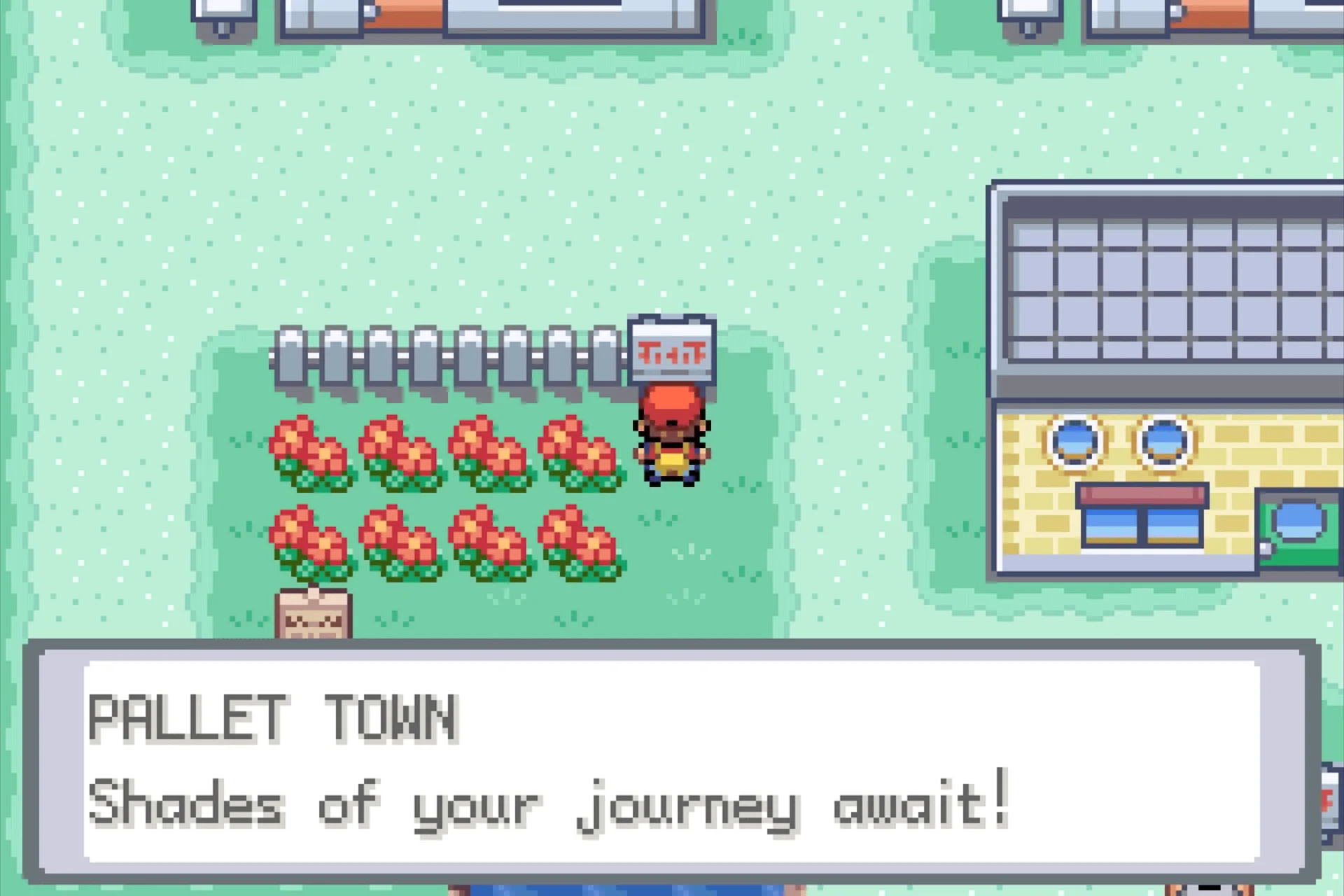
Pokémon is such a historic and monumental franchise as we celebrate its 30th anniversary. Every medium of media has something Pokémon related for people to enjoy. While they are still experimenting with firsts, it is always great to go back to the days when the parts of Pokémon we now know and love were once brand new experiences. In 2004, a Pokémon remake was an unknown entity that would come to cement Pokémon as an unbeatable franchise. While keeping the entire player experience the same, and keeping almost the exact same journey as the original games with only contemporary features to improve the experience, the original games came back to life in the best possible way.
While contemporary graphical upgrades were a great feature, there were so many additives to FireRed and LeafGreen that made them the optimal way to experience the first generation. A greatly expanded list of items, more Pokémon in the endgame, item storage that doesn’t fill up, new moves, held items, abilities, and so much more. The features that really make Pokémon what it is at its core, even today, had all been invented in the series by now and could be applied to the first generation games. If nothing else, it proved that Pokémon had the formula almost perfect from the start, with technical limitations being the only thing standing in its way.
The World of Pokémon
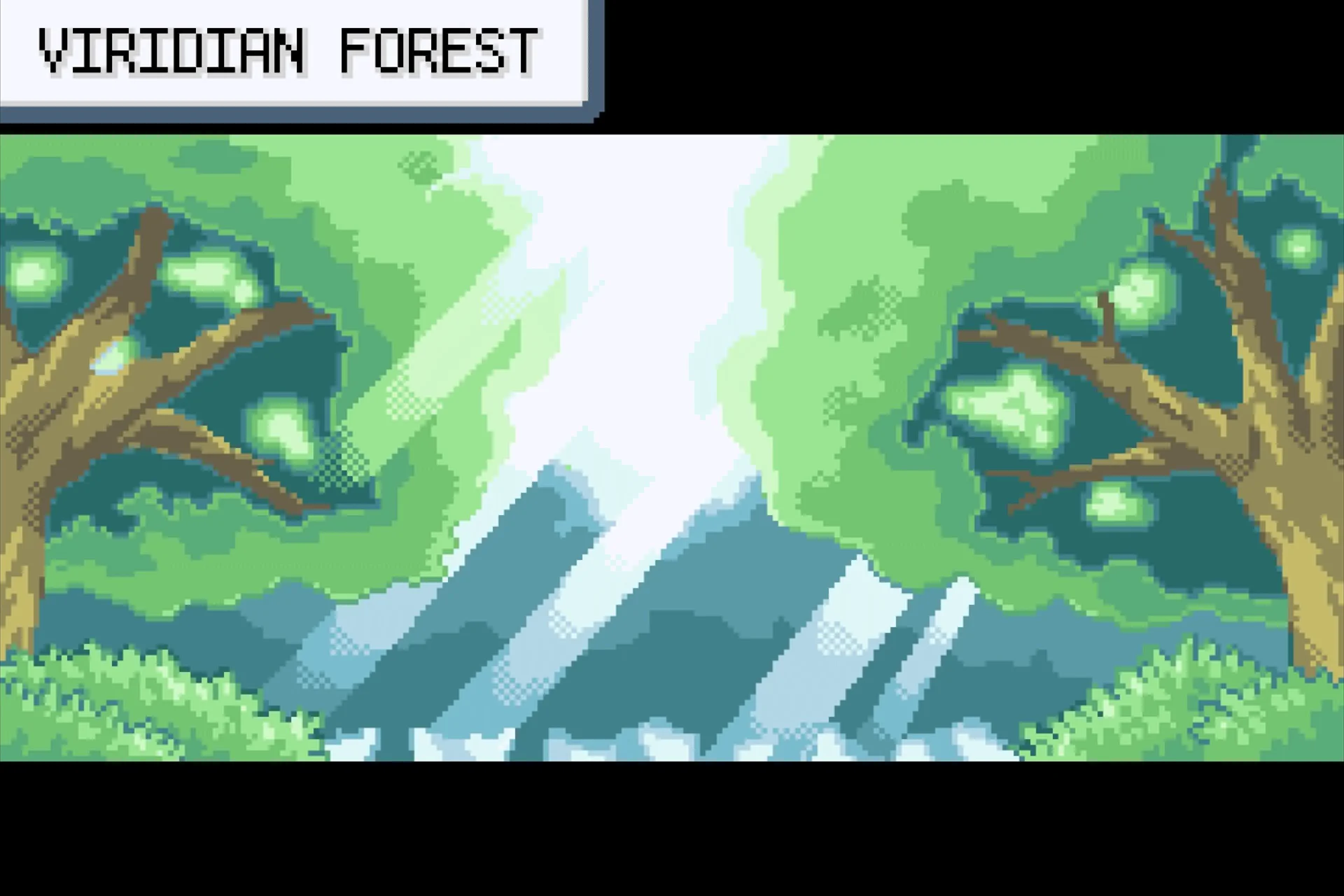
Despite three generations of mainline Pokémon games having released by this point, FireRed and LeafGreen manage to make you feel like it’s the beginning all over again. Heavily borrowing from the original, the tutorial sections and information delivery feel like that of a game being presented for the very first time, with even better features to teach players about the systems of the game being available at all times. For players who have experienced the original generation one games, it feels like exactly what you imagined on the Game Boy, presenting itself the way your imagination made it feel. For players who have yet to experience the early generations of Pokémon, this is the best possible way to experience the beginning of Pokémon as a franchise in a more accessible way.
All of the Game Boy Advance charm brings Kanto to life in such a distinct way. It doesn’t feel like Pokémon Red, Green, and Blue with a Sapphire and Ruby skin on it. It has a very established identity that feels closer to the original games than to the generation three lineup. Each location comes with its own texturing, music, unique points of interest, and especially Pokémon. Rather than trying to fit every possible biome into a single region like the modern games, the Kanto region is very self-contained, and the connections between locations make sense. It is not too mountainous or snowy, it does not have lakes, rather it is shaped as a peninsula in which the drier inland sections are clearly toward the North, and coming across a beach or endless body of water very clearly puts you toward the south. The two largest cities of the region are smack in the middle, exactly where you’d expect so that the population can flock to them from all directions. Kanto itself can feel so real at times, and the cities have very recognizable and plausible connections.
22 Years Later
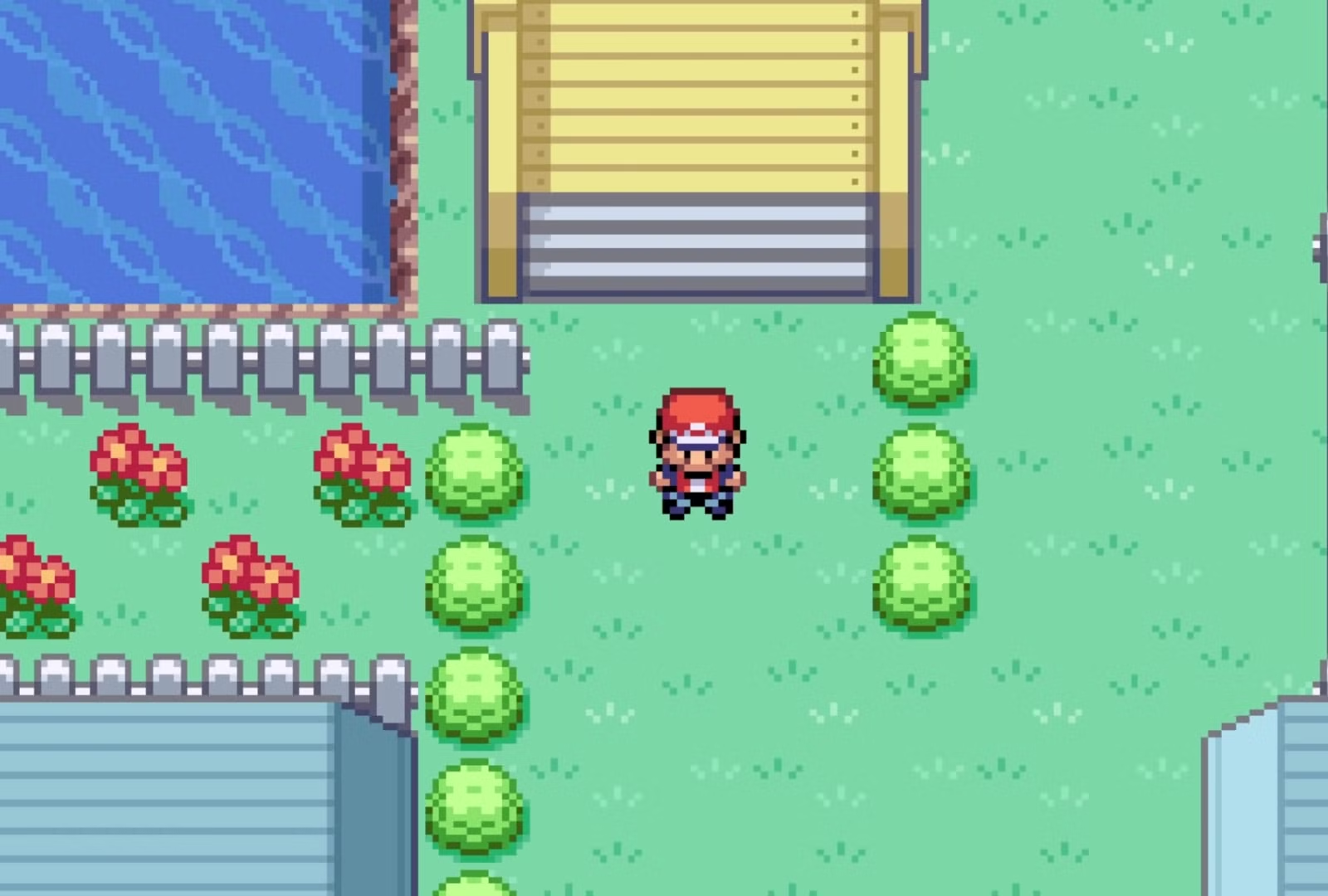
What does a port of these legendary games look like in 2026? Better than ever. The first generation has been modernized yet again. Trading doesn’t require a wired connection, but rather interprets the Switch and Switch 2’s local connections to each other as the previously wired connection. Online trades are not possible, however that simple fact recaptures the magic of needing to meet up with a friend to trade exclusives and trade-evolution Pokémon that is missing from the ease of modern Pokémon trades and accessibility.
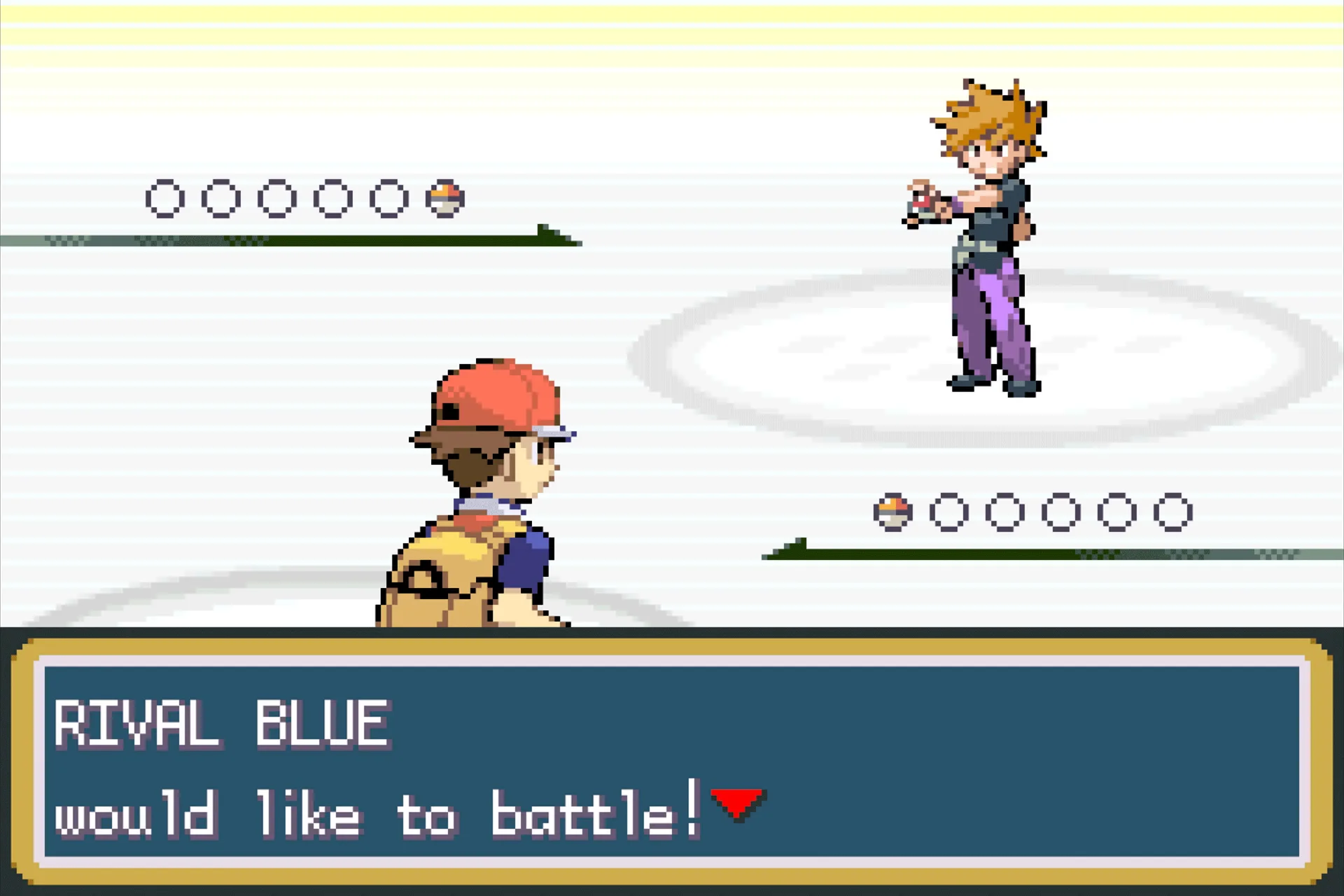
The best bonus however, comes from content that even dedicated Pokémon players of the early 2000s didn’t experience in most cases. All of the event exclusive content that used to require owners of the games to go to particular stores to receive the data into there game, is now available as part of the base content for the Switch and Switch 2 versions of FireRed and LeafGreen. The tie-in from Kanto to the other games (especially of the third generation) through these events is such a magical experience that feels like a perfect cap on top of an already complete feeling journey. The bonus content that the player gets to dive into, now as the Champion of Kanto, is the peak experience of the game. Even still, it feels like experiencing a long-kept secret.
Send In the Next Challenger!
Nintendo and The Pokémon Company’s willingness to rerelease such a beloved game on modern hardware is dipping into the possibility of seeing more of this every few years. The generation one and generation two Pokémon games were made available on the 3DS, and now the generation one remakes are available on the Switch and Switch 2. It isn’t the frequent rereleasing that we may hope for, but in a way that makes it feel all the more special when these games are updates and preserved on modern hardware.
Pokémon has been special from the beginning and will continue to always be special. Pokémon FireRed and LeafGreen preserved the spirit of the original generation one games, and their rerelease has done exactly the same. The legend of these games will always be one of returning to the roots of Pokémon, whether it be their release in 2004, or their rerelease in 2026. We’re all ready for the next rerelease to come down the pipeline, but maybe a bit of a wait wouldn’t be so bad. Maybe it’ll help remind us just how special these moments, and these games, really are.
Pokémon FireRed/LeafGreen are now available on the Nintendo Switch and Switch 2.
