Back in the day, if you struck up conversation with any kid there was a good chance they’d be obsessed with Pokémon. Characters like Pikachu, Charizard, and Squirtle quickly became pervasive in pop culture but their popularity wasn’t always a given.
The truth is were Pokémon released today it probably would have been lost in the shuffle of modern content. Four fundamentally identical games releasing in the first two years of a franchise might have been a death sentence nowadays, but Pokémon’s early novelty appeared to work in their favour. However, in order to extend the lifespan of the series beyond the 90s, they needed a new strategy.
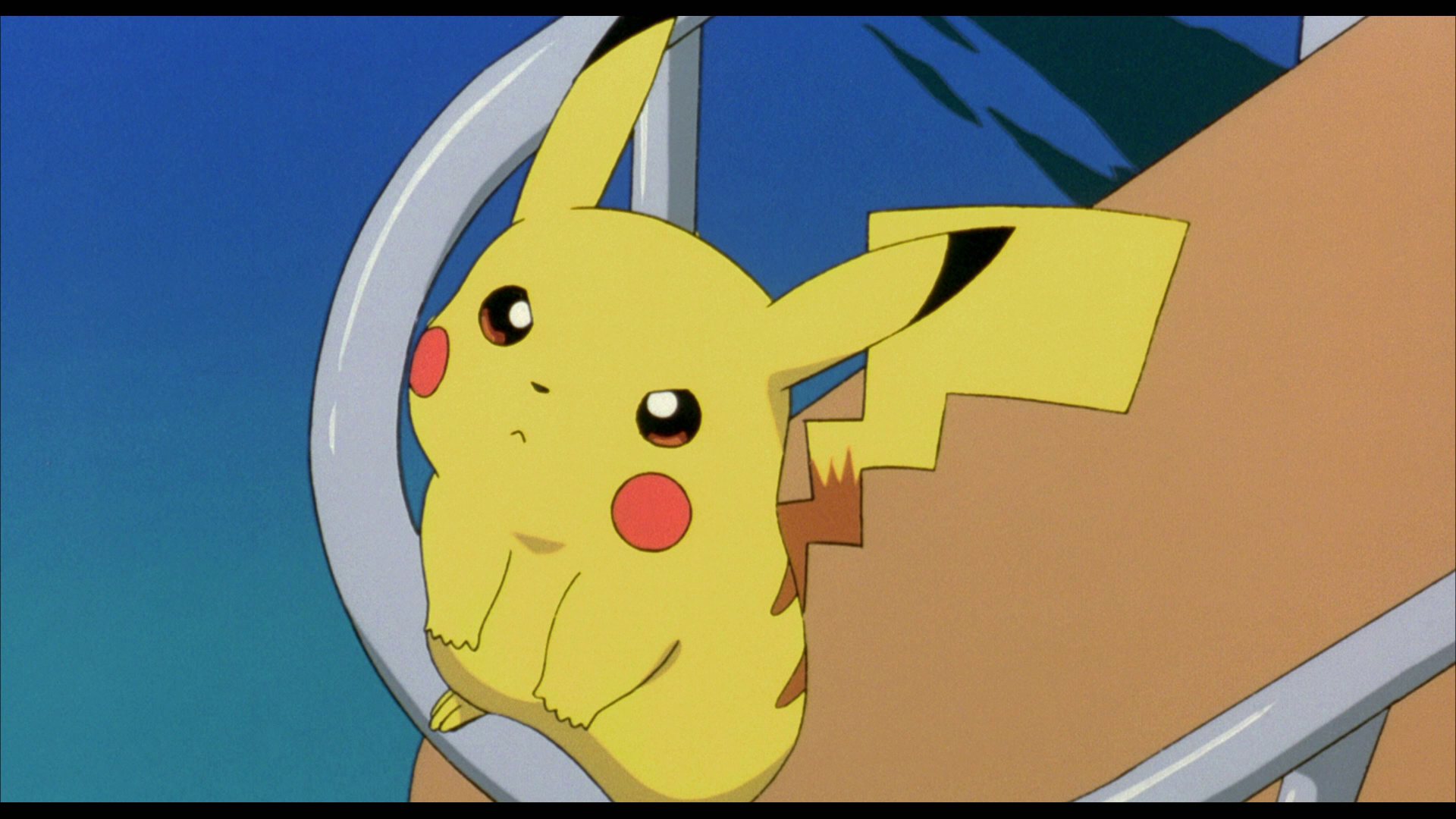
OLM began introducing more new Pokémon through The First Movie and into the show’s second season as Ash and Misty explored their home in the southern islands of Kanto. Stalwart ally Brock left the companions earlier in the season and was replaced by newcomer Tracey Sketchit in a bid to overhaul the show’s relationships; an admirable goal that failed only on account of Tracey’s thin characterization.
Meanwhile, developers Game Freak were hard at work on the second generation of games set in a new region and featuring nearly double the playable Pokémon. However, the franchise needed one last nudge to get over the finish line. They needed a movie.
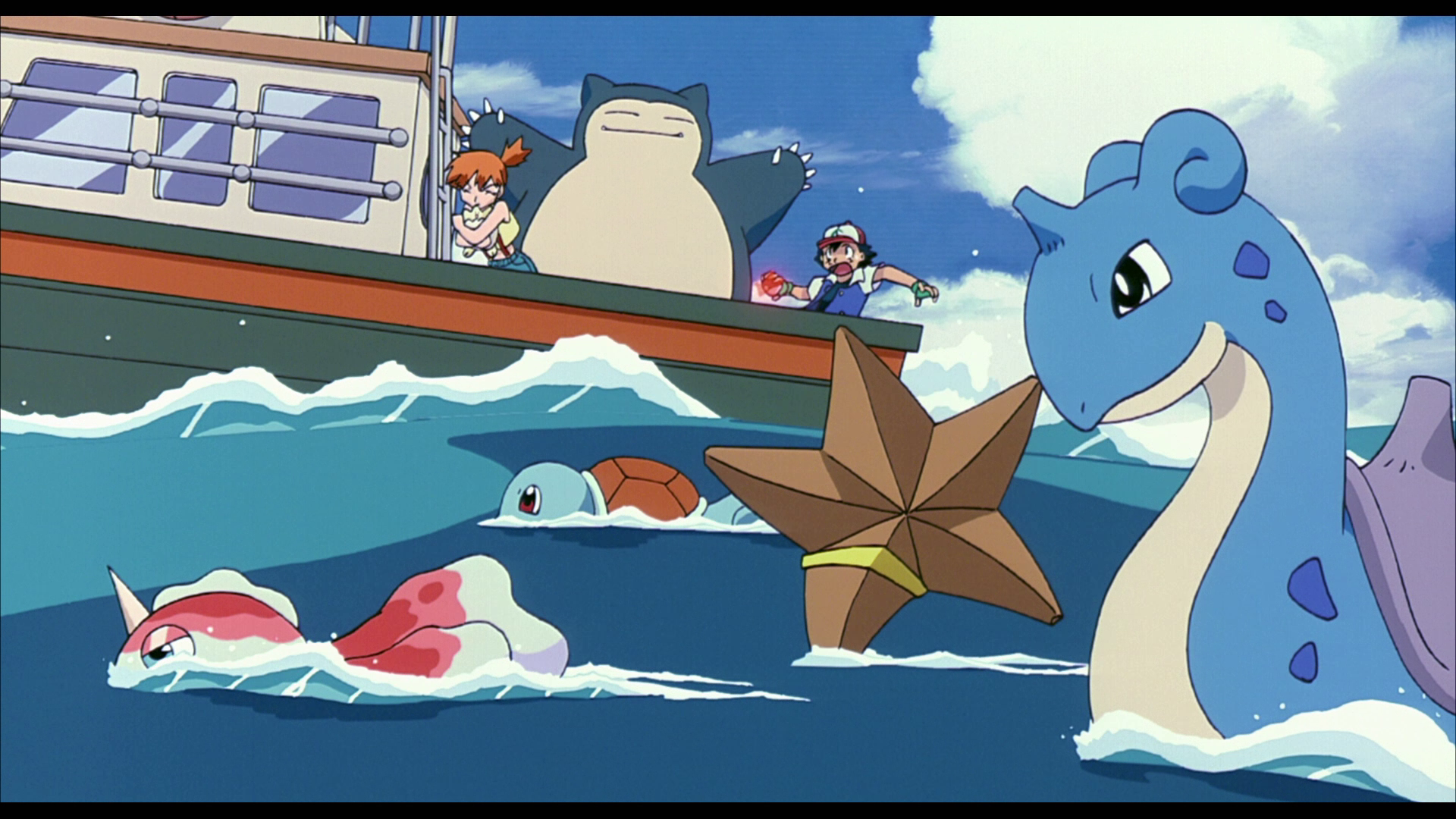
Few series have become as synonymous with modern culture as Pokémon. The inclusion of ‘2000’ in the second film’s title could be read as a commitment to a higher cinematic standard in the new millennium in an effort to avoid fading into the anime history books. In the end, creator Satoshi Tajiri and The Pokémon Company succeeded in making the franchise a dominant global pop-culture force. Producing a hit series of films was a big reason behind that success. If The First Movie sheepishly lowered expectations then Pokémon 2: The Power of One was a bold reclamation of the idea of a Pokémon movie. And The Power of One is undoubtedly a marked improvement over its predecessor.
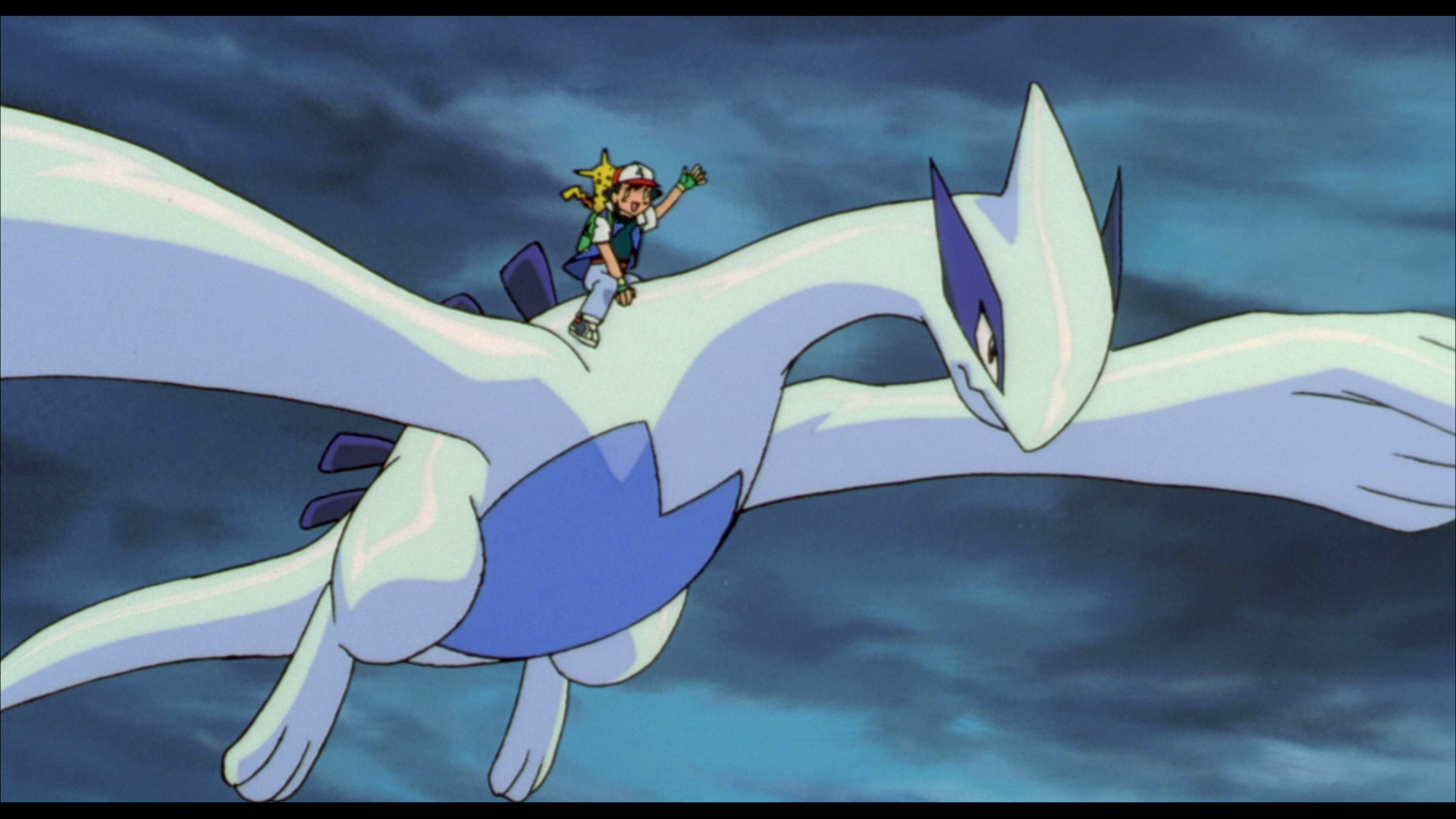
Central to its marketing was a silver dragon (or wyvern), totally unknown to existing players and audiences. In Japan and America, the film released shortly before second generation game Gold and Silver which featured exclusive final bosses for players to catch. Gold had Ho-Oh, a phoenix seemingly based on an unnamed Pokémon from the anime’s debut episode; Silver included the same monochrome beast as the film. Pokémon had successfully linked its three mediums in the minds of fans.
Like so many Pokémon tales, The Power of One opens on Ash and friends approaching a small town, where an upcoming festival celebrates a local legend: a weary traveler collects treasure from the local islands to quell the oceans before the rising tides destroy the world. Naturally, Ash is chosen to carry out this ritual, which turns out to be more than just a touristy gimmick. The islands are home to a trio of powerful bird Pokémon that cyclically battle each other to a stalemate, disturbing the surrounding waters.
Many of the games feature exceedingly rare, immensely powerful ‘legendary’ Pokémon. The first generation of games included four: Mewtwo, subject of The First Movie, and the aforementioned birds, Zapdos, Articuna, and Moltres. These creatures do not evolve or travel across the world map. They remain fixed in one location where they can be found and battled. Should the player fail to capture one, they permanently disappear from the game. Legendary Pokémon take the place of traditional boss battles and provide an engaging risk-reward dynamic for players who attempt to catch all three.
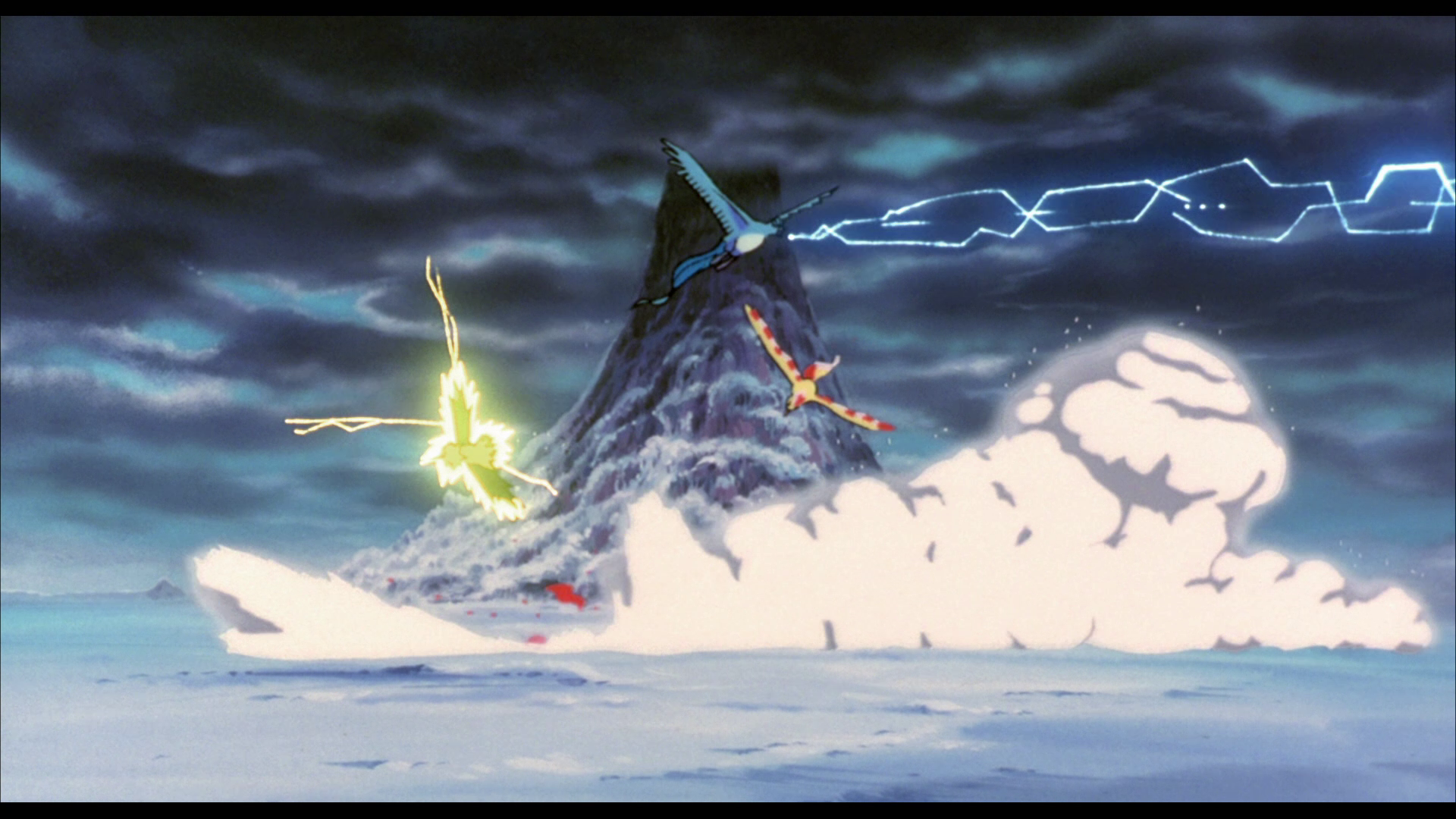
My review of The First Movie focused on the mystery surrounding Mewtwo that stretched from the GameBoy to the silver screen; the three birds were just as mysterious at the time. Where did they come from and how did they become so strong? Mewtwo’s surreal feline aesthetic highlighted his extraterrestrial nature whereas the birds blended into the natural order, passing through and resting in hidden corners of the game world. Combining the game and film narratives painted a surprisingly cohesive picture.
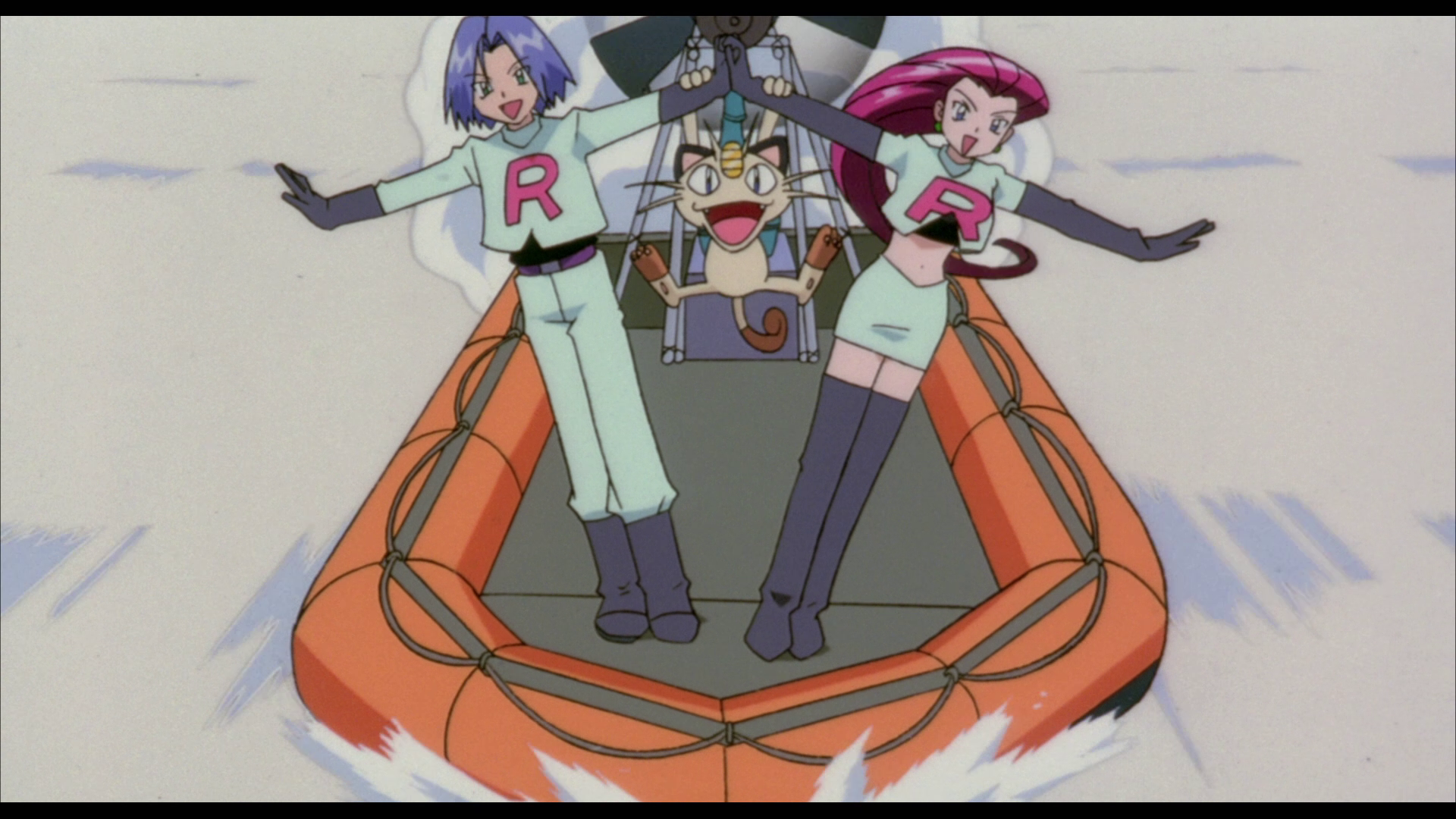
This communication between mediums has been lost in modern Pokémon. In my research for this episode I was shocked to discover none of the birds appear in the original anime beyond the title sequence or a throwaway reference. The Power of One expands not just on the characters and world of the anime but also of the games.
The birds are legends not due to their strength or rarity but their status in the overarching narrative. Though this does paint a rather negative picture of players seeking out that extra challenge, I like to imagine those partnerships as temporary. In my head canon, the player character releases any captured birds back into the wild after rolling credits to keep the meta-narrative running smoothly.
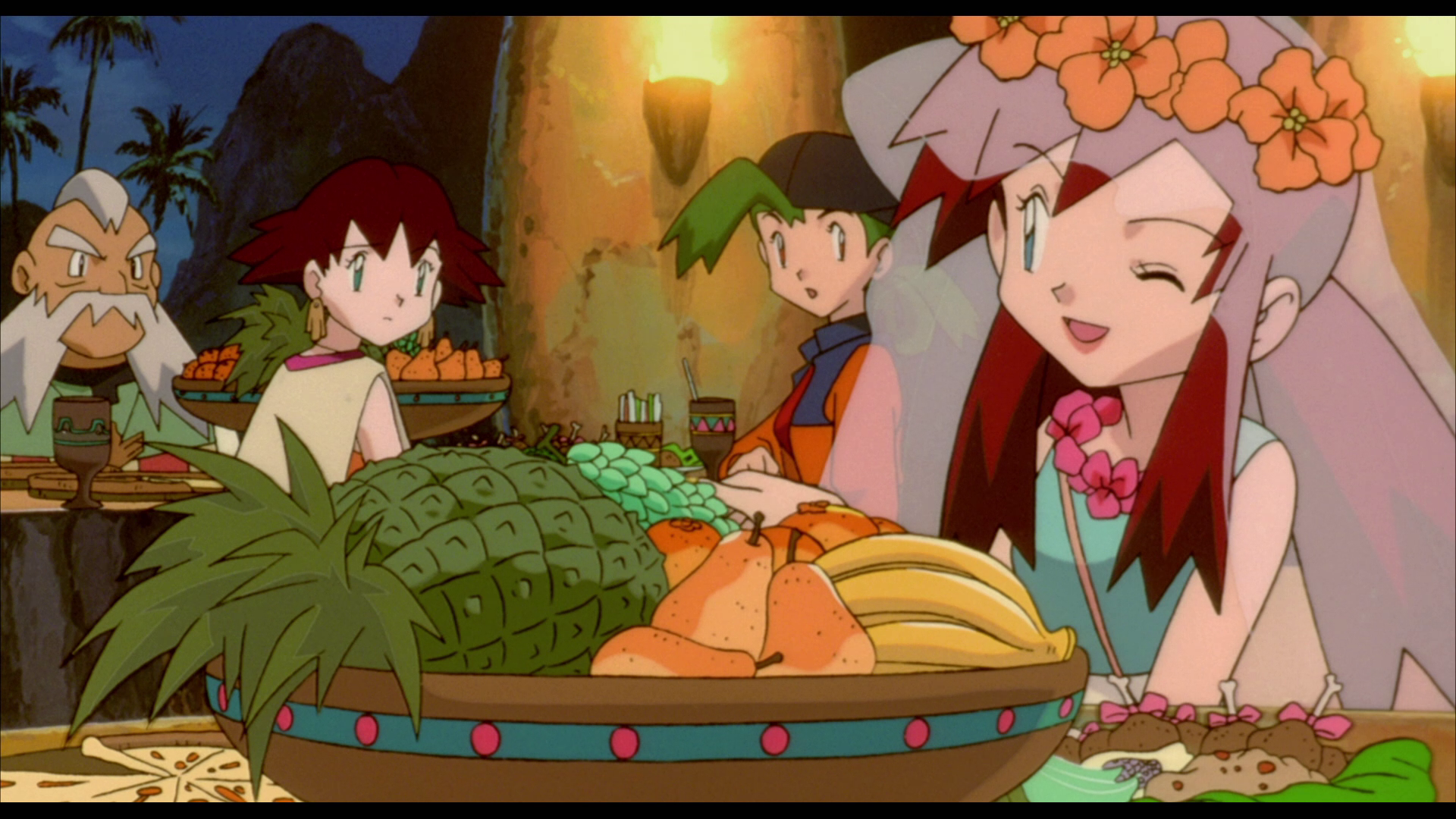
Prior to Ash and his cohort’s arrival, Moltres is captured by the antagonist, the foppish and grandiose Lawrence, piloting a flying fortress in total isolation. Lawrence’s plan to capture the legendary birds involves summoning their master: the ruler of the sea, our mysterious monochrome friend, Lugia.
Leaving behind his partner Pokémon and instead deploying technology in his crusade, Lawrence’s battles resemble bombings more than duels; his collection amassed by corruption and warfare. The games go to great pains to make clear that catching Pokémon is never an act of greed but one of scientific curiosity and environmental engagement. Nearly every Pokémon game premise involves some sort of professor or scientist recruiting the player to the pursuit of knowledge and rescue of natural species like an agnostic Noah. Captured Pokémon are held in a digitized state often portrayed as an idyllic ranch where they can spend their days in peace. Lawrence, however, holds the mythic Moltres in a cage so small the bird is unable to extend its wings.
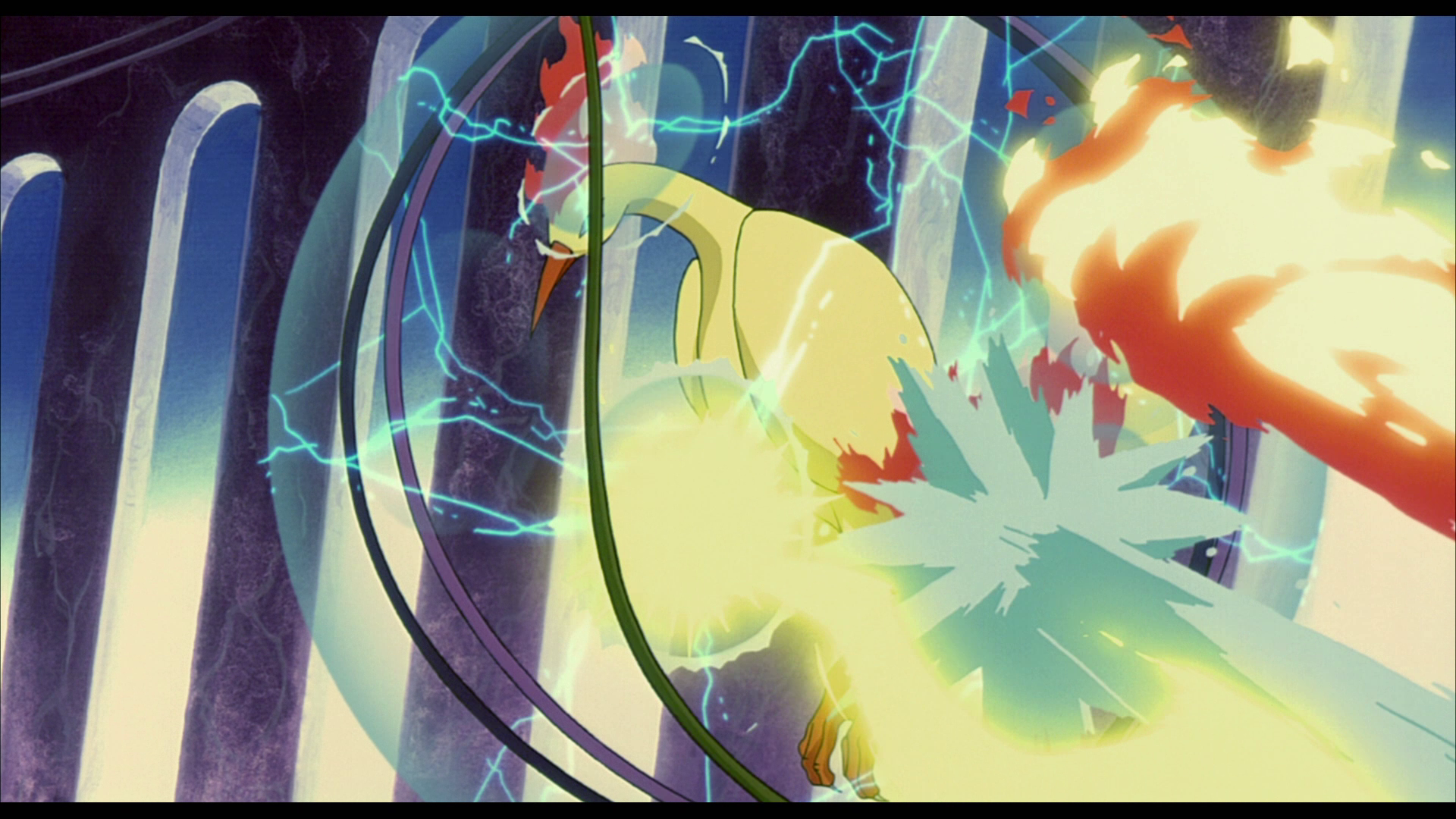
Lawrence’s transgressions are most keenly felt in his perversion of this world’s most sacred ritual: combat. Pokémon is fundamentally a sports drama. It has more in common with Slam Dunk than Naruto. Battles may appear freeform but operate under agreed, though unwritten, regulation; closer to boxing rounds or sword fights.
The act of approaching a gym and winning its badge is heavily inspired by the practice of swordsmen and brawlers defeating rival schools in combat and taking their relics or artefacts as a symbol of their victory. Here, Ash is a modern Miyamoto Musashi and his Pokémon are fighting styles. Electric fists strike lightning fast, caterpillar jabs harden into intimidating walls of air, and dragon strikes crumble even the most experienced fighters. New companions are defeated and subsequently recruited by Ash in the same way a martial arts students might pledge loyalty to a new sensei.
Lawrence’s techniques were never honed in training or battle but bought and sold for a price. If Moltres is Muhammad Ali then Lawrence is the untrained wannabe shooting him outside the ring. There are undoubtedly fans who believe their champion would walk off that gunshot and ultimately be victorious but the fact remains that bringing a gun to a fistfight is illegal.
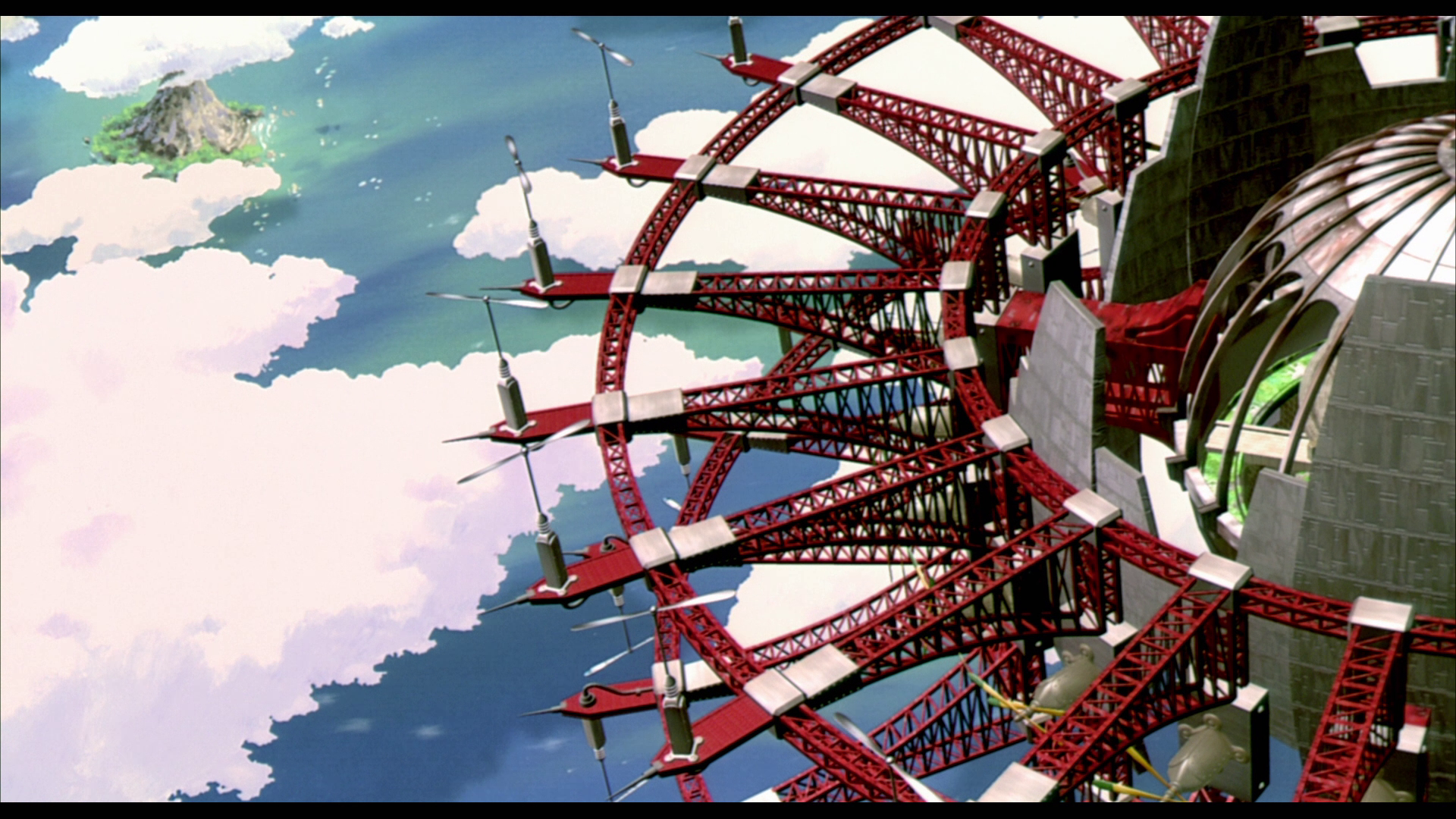
Zapdos lays claim to the fire island in Moltres’ stead but the former’s rule is also cut short by Lawrence, putting our heroes in the crossfire. Ash and the team stage a prison break to free Moltres and Zapdos as the final bird, Articuna, stakes her claim on the entire archipelago. A dogfight between the three follows, their stalemate finally broken, prompting the arrival of master and star attraction Lugia.
Every generation of Pokémon has a unique style borne of imagination and refinement. Lugia was not the first of the more detailed second-gen pokémon to appear but juxtaposed with the bird trio they look positively space age: sleeker, bolder, and more complex without sacrificing the first generation’s iconic silhouettes. Perhaps the most interesting element of Lugia’s design is its modernity; a conceptual design more at home in Pokémon Platinum or Pokémon Z-A. The philosophical differences between generations will always be a question of degree as opposed to one of nature.
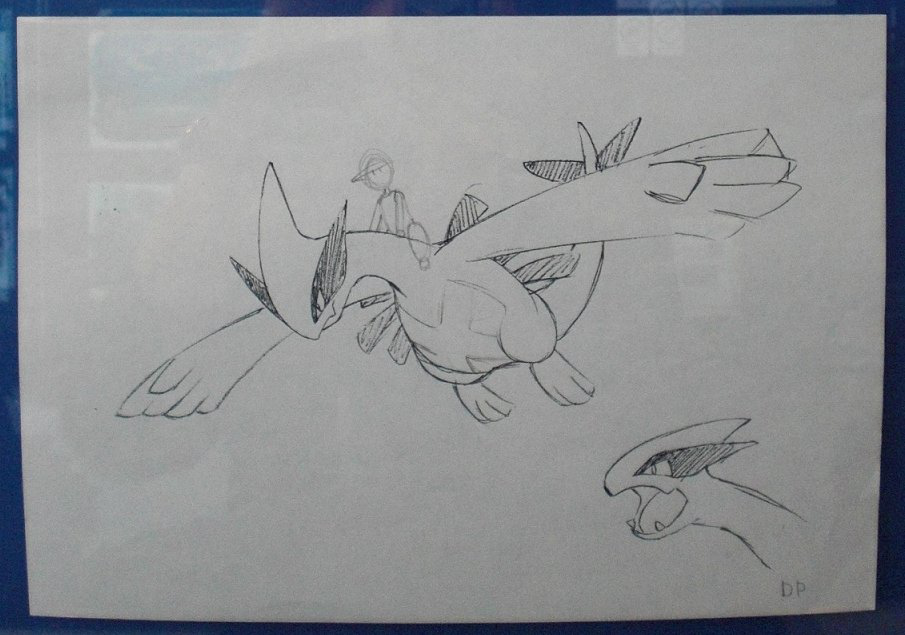
The climax, wherein Ash battles Lawrence on the back of a silver dragon around an imprisoned phoenix, echoes classic fantasy literature, and it strikes me how well Pokémon 2000 works as a traditional fantasy narrative from start to finish. Recast Ash as a young knight exploring a strange land and shockingly little of the core plot requires adjustment. Much of the story also homages another classic Nintendo series: The Legend of Zelda. Beyond their shared structural framework, both feature ocarina-shaped relics and kindly wizard guides (newcomer Slowking in Pokémon’s case) at key moments in their narratives.
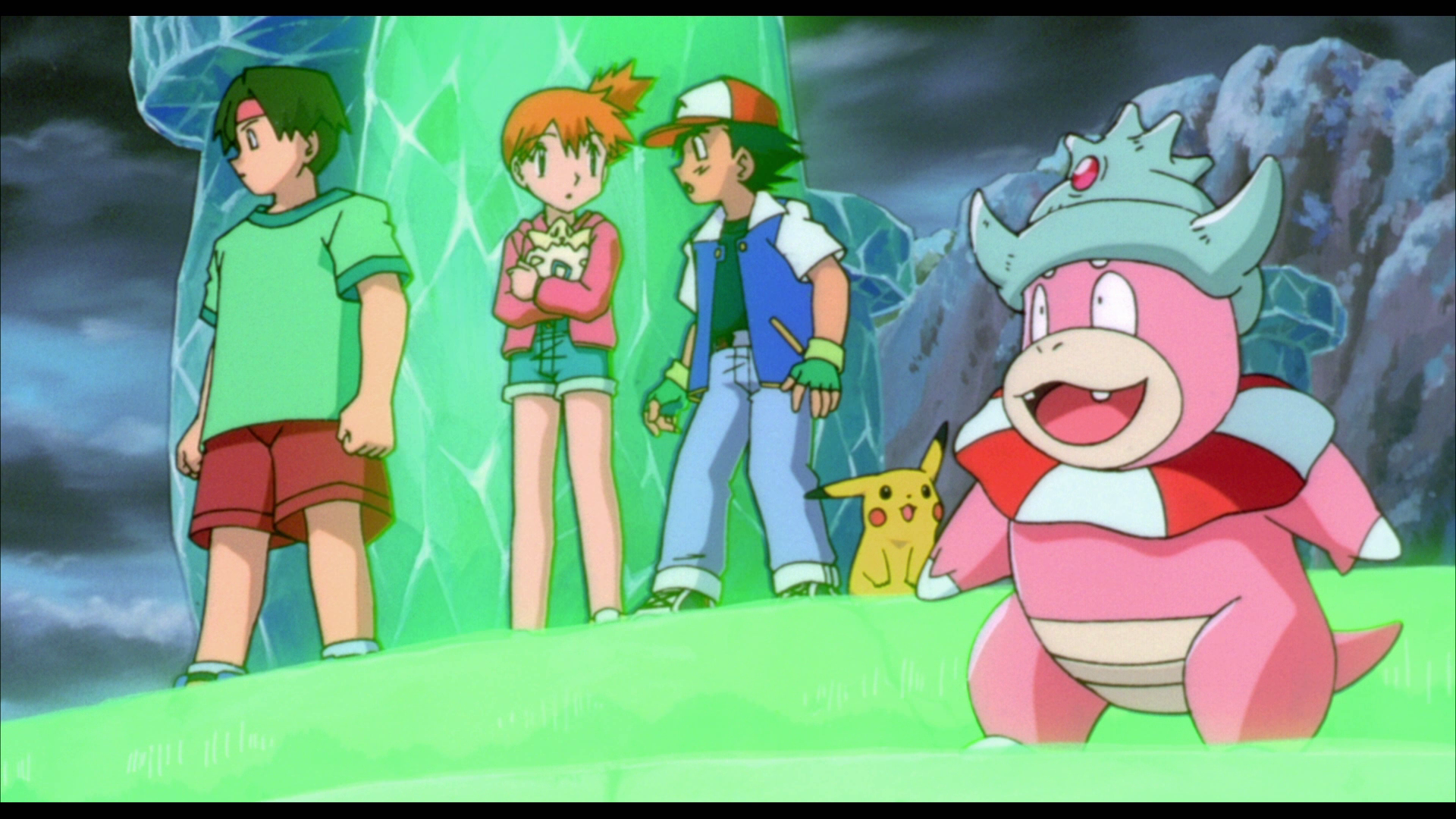
Its predecessor may be a jumbled mishmash of squabbling parts but Pokémon the Movie 2000 is an honest-to-goodness theatrical event. Though bolder than the anime series and grander than its sequels, The Power of One was in some ways rather hollow. Little to no character development and an underwritten antagonist weaken the film, but the drama and intrigue of the main plot help to earn the spectacle of its third act. Feeling nostalgic? Want to finally indoctrinate your child into the Pokémon cult? There are far worse ways to do it, and most of them won’t have a dogfight between dragons as a finale.
The general consensus on The Power of One as a bold declaration for the future of the franchise has always felt strange because I experienced the film as the end of an era. Perhaps it’s due to the fact my TV network only aired reruns after Ash’s excursion to the Orange Islands. My only interactions with the franchise thereon became annual visits to the movie theater, catching fleeting glimpses of characters I previously met every day after school. New stories appeared tedious cookie-cutter versions of older episodes. Pokémon changed after the first generation: what was once alive and organic became routine.
We had saved the world riding a gleaming silver dragon yet somehow never saw each other again, leaving me only reruns of our old adventures as comfort.